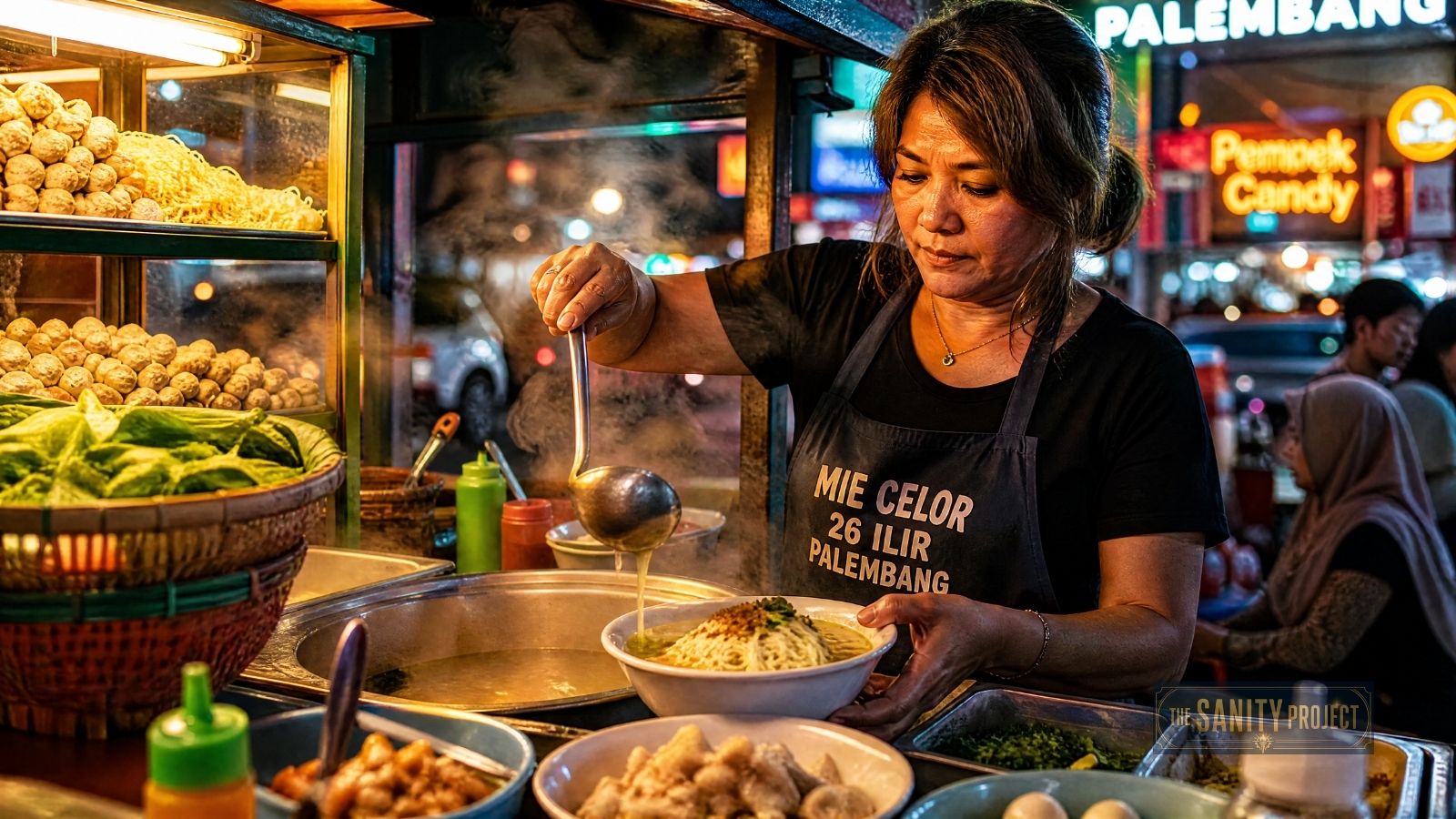
The Noodle Merchant Cashing In on Alberta's Outrage: How Global Grifters Monetize Canadian Political Rage
Related Episode
The Noodle Merchant Cashing In on Alberta's OutrageWhen you scroll through your Alberta independence Facebook group and see a passionate post from someone claiming they were attacked while canvassing for separatist signatures in Calgary, your blood boils. The injustice feels real. The anger feels justified. But here’s what you don’t know: the person posting that story isn’t in Calgary. They’re 13,000 kilometers away in Palembang, Indonesia, selling noodles and running a highly profitable side business in stolen Canadian outrage.
This isn’t satire. This is the new reality of digital politics in Canada.
The Anatomy of a Digital Heist
The story begins with a real person: Brock Ireland, an Edmonton resident with genuine frustrations about Canadian politics. Like millions of Canadians, he posts about these frustrations online—his thoughts about equalization payments, federal neglect, the sense of being ignored by Ottawa. Nothing unusual. Nothing that would suggest his words were about to be stolen and weaponized.
But someone was watching.
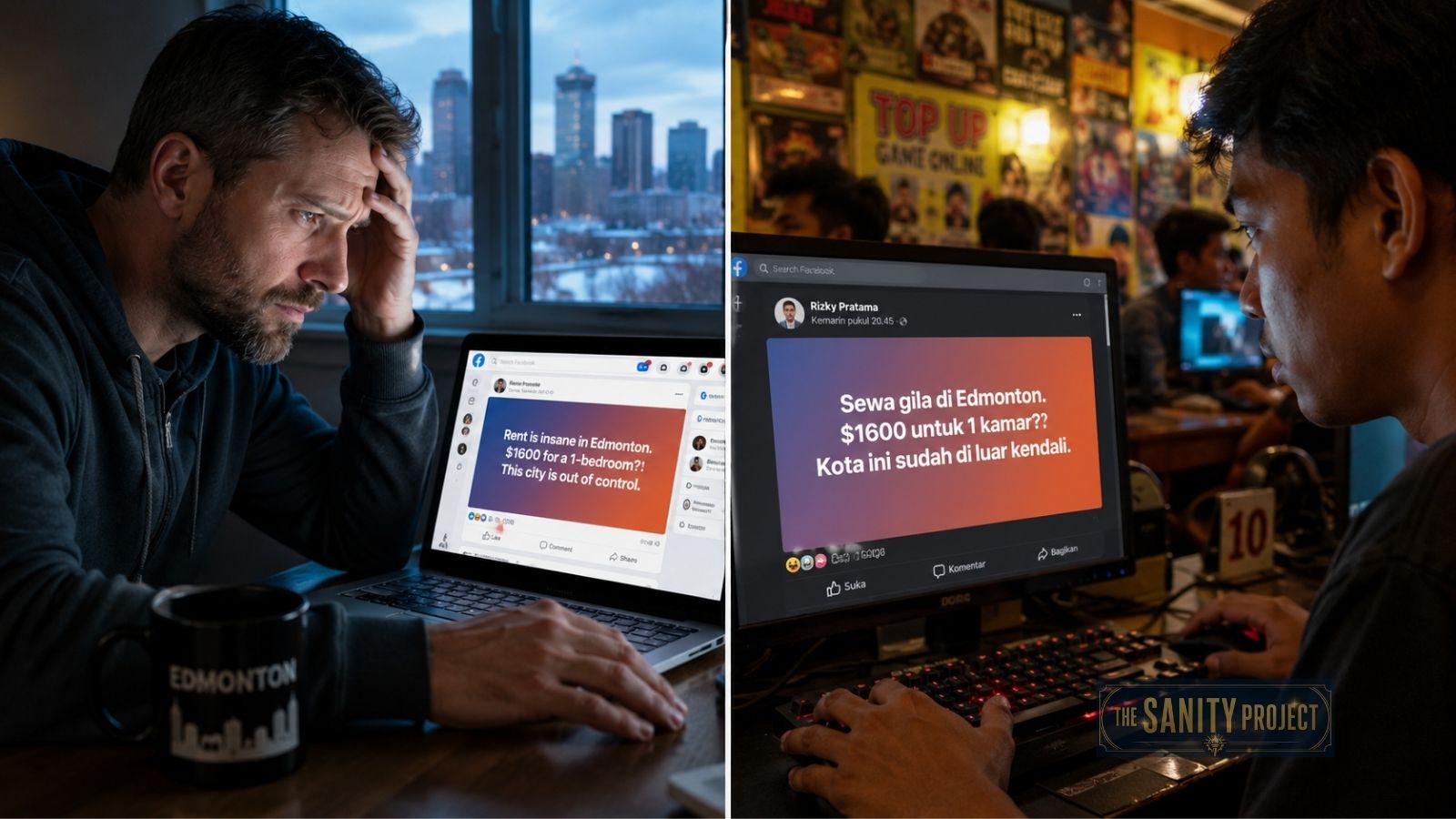
A woman named Njeta Kila, operating from Indonesia, began a systematic operation: she would wait for Brock’s posts, then copy them verbatim—text and photographs included—and repost them to her 100,000 followers as her own. The posts would generate massive engagement. Comments would pour in. The algorithm would take notice. And the money would follow.
When CBC investigators finally tracked her down, they confirmed what her own Facebook bio had been saying all along: she wasn’t a Calgary activist. She was an Indonesian noodle merchant. Brock Ireland, when confronted with the discovery, described feeling utterly violated. And he had every right to.
This is identity theft reimagined for the social media age.
Why Alberta? The Blind Spot Strategy
The obvious question emerges immediately: why target Alberta? Why not focus on American politics, where the engagement—and therefore the profits—would be exponentially larger?
The answer reveals the true sophistication of this operation.
U.S. politics is completely saturated with bots and artificial accounts. Platform moderators, aware of the threat to American democratic discourse, monitor it heavily. The barriers to entry are high. The competition is fierce. But Canadian politics—specifically niche regional fault lines like federalism and equalization payments—exists in a massive blind spot.
These issues aren’t on the radar of most content moderators. They’re not heavily monitored. They’re not saturated with competing grifters. For someone operating from halfway around the world, Alberta separatism represents a perfect storm: genuine local grievances that can be easily stolen, minimal platform oversight, and a population emotionally invested enough to generate the engagement that drives algorithmic amplification.
It’s not incompetence that makes this possible. It’s the structure of the platforms themselves.
The Outrage-to-Cash Pipeline
Understanding how this works requires understanding Meta’s business model. The company doesn’t charge users to scroll. Instead, it monetizes attention. The more engagement a post generates—comments, reactions, shares—the more valuable that attention becomes to advertisers. And Meta has built a system that directly rewards creators for generating that engagement.
Here’s the pipeline:
A stolen post about Calgary politics generates comments. Lots of them. Usually angry ones. But here’s the crucial part: Meta’s algorithm doesn’t distinguish between positive and negative engagement. An angry comment counts the same as a supportive one. The algorithm interprets all those reactions as high engagement and pushes the post into more feeds. More eyeballs mean more ad impressions. More ad impressions mean more revenue. And a portion of that revenue flows directly back to the creator.
It is, quite literally, a machine for converting outrage into cash.
The system works so efficiently that a single person in Indonesia can systematically steal the words of Canadian citizens and transform their genuine political frustration into Indonesian rupiah, all without breaking a sweat.
The Real-World Cost of Algorithmic Indifference
This might seem like a victimless crime—a clever bit of digital grifting that affects no one but the platform and the grifter. But the research tells a darker story.
One of these stolen foreign-run posts generated comments from real Albertans calling for people to “lock and load.” Another discussed executing traitors. These weren’t hypothetical discussions. These were real people, responding to what they believed was a real political crisis, being manipulated into expressing violent sentiment by someone who had never set foot in Canada and didn’t care about Canadian politics at all.
The crucial insight here is that this isn’t an accidental byproduct of the algorithm. It’s the exact outcome the algorithm is designed to produce. The system isn’t broken. It’s working perfectly—just not in service of democratic discourse or human wellbeing. It’s working in service of engagement metrics and advertising revenue.
Who Wins in This System?
According to Angus Bridgman at McGill University’s Media Ecosystem Observatory, when you strip away all the complexity, there are only two real winners in this entire ecosystem.
First: the overseas grifter who successfully monetizes the friction. They invest minimal effort and reap consistent rewards.
Second: the platform itself. Facebook wins because they capture the lion’s share of the ad revenue generated by all that hyper-focused attention.
Everyone else—the real Albertans whose words are stolen, the communities fractured by manufactured outrage, the democratic discourse poisoned by foreign operators—everyone else just gets the anger and the division.
The Vertigo of Modern Politics
Here’s the question that should keep you up at night: if genuine political divides can be this easily manipulated and monetized by a single person copying and pasting from thousands of miles away, what happens when sophisticated AI fully automates this process?
Your genuine political frustration—the real anger you feel about real problems—has been quietly commodified. Your outrage, packaged correctly, is worth money to someone you’ll never meet. And when that manufactured outrage starts producing comments calling for violence, we’re not talking about misinformation anymore. We’re talking about a monetized erosion of trust.
This story isn’t really about noodle merchants or bots or even Alberta. It’s about the fact that your emotional energy has become a product. Your rage is a resource. And someone, somewhere, is cashing the check.
The next time you find yourself raging at a hyper-local political post in your feed, pause for a moment. Ask yourself: who is literally profiting from my anger?
Want to understand the full scope of this digital deception and what it means for Canadian democracy? Listen to the complete episode of The Sanity Project for a deeper dive into how global gig economies are built on stolen political rage, and what we can do about it. Subscribe to The Sanity Project wherever you listen to podcasts, and visit thesanity.org to sign up for our free weekly newsletter. Because in an age of algorithmic manipulation, signal matters more than ever.